Wednesday, 10 December 2025

The Seed Detective by Adam Alexander

"By the end of the nineteenth century, the USDA (US Department of Agriculture) had recorded a total of 408 varieties of pea being grown commercially. By 1983 the number recorded was just 25, a loss of over 90 percent. This loss of genetic diversity is not unique to the pea. It is happening with all edible crops and poses an existential threat to human survival"

This scenario is the backdrop to Adam Alexander's travels, searching the world for rare varieties of well known vegetables (from asparagus to zucchini), taking seeds home to grow and share, both to enjoy and to preserve them for the future. 

The Seed Detective takes us on a journey starting from when humanity lived as hunter-gatherers up to the present day. Each chapter focuses on a different vegetable and shares the stories of how they became popular, widespread and, on the commercial level, so uniform. Luckily across the world, the author has managed to find wonderful heritage varieties of all these crops and outlines how these varieties are being preserved as well as doing his own bit towards their preservation by collecting and saving their seeds. 

The book looks at various issues around each vegetable. Just taking one example, in Roman times, the Emperor Augustus had a special fleet of ships that carried asparagus around the Mediterranean Sea. Asparagus has been grown in the sourth east of England since the eighteenth century where the soils and weather are ideal for it, however, in Peru where farmers were encouraged to grow asparagus to divert them away from coca (grown to make cocaine) the vegetable is causing drought due to its high demand for water. 

There are many fascinating snippets here: did you know that there is archaeological evidence for pop-corn dating bac 3,500 years?

Throughout the book, Alexander underlines the importance of seed saving - he's an avid collector himself, with 70 varieties of tomatoes in his collection. You can view his seed collection on his website here

Seed saving allows rare varieties to be preserved, ensures stocks of seeds in case of poor harvests and allows crops to adapt to local conditions. Heritage crops are often more resistant to disease and almost always have more taste than commercially grown varieties. 

This is a fascinating book is a plea to preserve all the wonderful heritage varieties of vegetables and is essential reading for anyone interested in botany or the history of our food. 

The Seed Detective by Adam Alexander, published (2022) by Chelsea Green Publishing.  

** 

My latest Substack post is all about winter wildlife. You can read it here.

**

And some excellent news for Swifts in Scotland, "all new buildings over a certain size must include ‘swift bricks’ as part of their design", a change secured by the Scottish Green Party. read more here


Sunday, 7 December 2025

Arthur's Seat

 We had a lovely walk round Arthur's Seat on Saturday. It was looking beautiful in autumnal colours, the photo below shows Salisbury Crags in the background 

There are also great views down to Duddingston Loch  

The clouds were also impressive


We met a few Jackdaws while we were walking, they nest in various places around Arthur's Seat. We were particularly impressed by how the irridescent purple and green is showing up in the wing of the Jackdaw below 


 **

You can read my latest Substack post, inspired by World Soil Day, here.  

Thursday, 27 November 2025

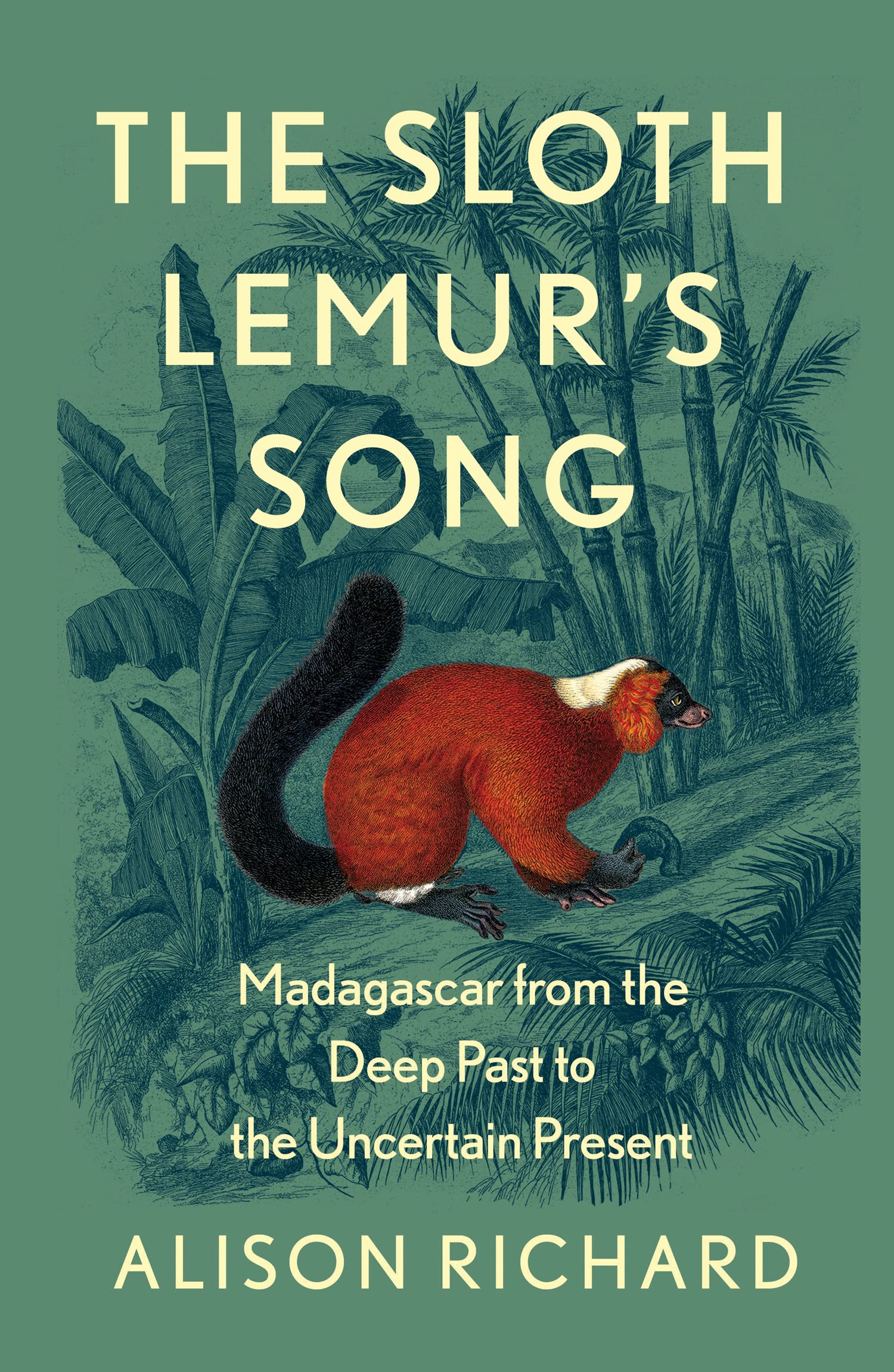
The Sloth Lemur's Song by Alison Richard


Subtitled 'Madagascar from the Deep Past to the Uncertain Future' this is a fascinating overview of the natural history of Madagascar and the relationship that humans have had with nature since first arriving on the island (the first evidence of human habitation dates to around 10,000 years ago). 

Alison Richard has been involved in research and conservation in Madagascar for fifty years and brings a vast amount of knowledge and experience to the book. 

We are guided through the history of Madagascar from the fascinating early animals that have left their fossils here to the current day, where the island is one of the poorest countries in the world and is losing large amounts of its precious rainforests, which are home to a vast array of wildlife found nowhere else, including the around 100 species of the iconic lemurs. Much of the forest loss in Madagascar is due to very poor people having little choice but to clear trees for their farmland. 

Richards makes the important point that a large part of Madagascar has always been grassland and large areas of open space in the country don't all represent areas of destroyed forest. Yet her insistence on this almost undermines her presentation of the actual devastation of the forests. 

A very short chapter, which I felt should have been longer, is dedicated to the fact that some communities are protecting their local forests and wetlands. The chapter gives three brief case studies, including the work being done to protect the areas around the lakes in the west of the island, where Madagascar Fish Eagles are now increasing due to conservation measures that also offer local villagers a sustainable future fishing the lake. 

This is a fascinating book, though at times I did find the writing style awkward. I also expected more lemurs. 

The Sloth Lemur's Song by Alison Richard, published (2022) by Harper Collins.  

 **

Just published today, is this post from the Nature Briefs Substack, about the trade in lemur meat.  

You may also be interested in this recent article about Madagascar's lemurs.  

**

My latest Substack post went live yesterday, you can read it here.  


Sunday, 23 November 2025

A Day of Changeable Weather in Musselburgh

 Yesterday we had a lovely walk along the John Muir Walkway from Musselburgh in East Lothian, along to the old ash lagoons, which are now a nature reserve. 

The weather started off, beautifully sunny, like this:


 but later a haar (sea mist) came in and everything looked wonderfully atmospheric like this: 

In between, we enjoyed lots of birdwatching (which was obviously easier when the weather was sunny). The highlights included Long Tailed Ducks, one of which you can see distantly in the photo below 


Goldeneye, a male of which is below:

and Lapwings, once a common farmland bird, but now sadly very much decreased in number, so it was lovely to see quite a large group of them at the lagoons 

and Wigeon, of which a fairly large group were hiding in the mist, you might be able to see them in the photo below

It was amazing how different everything looked in the haar 


Thursday, 20 November 2025

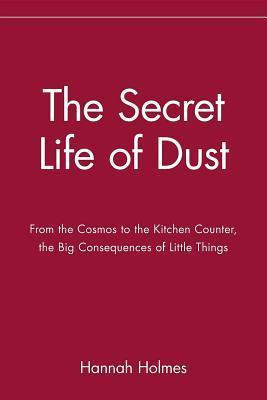
The Secret Life of Dust by Hannah Holmes


This book explores all aspects of all types of dust, from the cosmic dust that formed the origins of the universe, through desert dust, fungal spores and smoke from forest fires to pollution and household dust. The more I read, the more I became aware of the risks posed by all these types of dust. It's a sobering read. I'll just share some interesting facts here.

Astonishing amounts of dust are produced from dried out lakes, for example the Aral Sea, which has been massively reduced in size due to overextraction of water for irrigation, produces an estimated 150 million tons a year of dust, heavily laden with toxic pesticides. Up to "half the desert dust in the air today may rise from land damaged by human use." 

Natural dusts from different places have unique mineral signatures and combined with the differing sources of pollution in different areass mean that rain varies around the world in terms of the chemicals and particles contained in raindrops. 

The dusts produced from industrial processes have long been associated with illnesses, particularly asbestosis. I was surprised to read here how long humans have been using asbestos, two thousand years ago, Romans were including asbestos in funeral shrouds and even back then the risks were recognised by the Roman naturalist Pliny the Elder, who noticed that "the unfortunates who mined and wove asbestos were a sickly lot." Yet even now, asbestos creates problems. It can take us a long time to really address problems...

Asthma of course is another ongoing health problem strongly associated with dusts, some of them natural. The last chapter of the book looks at household dusts, and how these are affected by the appliances we use and our approach to household cleanliness.  

This book is very US-centric but is a fascinating read, wherever you live and may make you more aware of all the dust around you. 

The Secret Life of Dust by Hannah Holmes, published (2001) by Wiley.  


Tuesday, 18 November 2025

nightskies haiku

overcast skies -
the meteor shower
unseen

** 

I first posted this haiku a few years ago, but am reposting it, as last night, we had hoped to go to a meteor watching party but the skies clouded over and the party was cancelled....

Also a few years ago, Dosankodebbie made a beautiful artwork incorporating this haiku, you can see it here

Sunday, 16 November 2025

Easter Craiglockart Hill


 Yesterday we enjoyed the autumn colours on Edinburgh's Easter Craiglockart Hill. The hill also offers lovely views across the golf course

There weren't as many fungi as we would hope to see at this time of year, but there was a reasonably good selection, including Candlesnuff

these Inkcaps (which I think are Glistening Inkcaps)  

and these very young Scarlet Elfcaps 

We then continued our walk to Craiglockart Pond  

and then home via the Union Canal, which inexplicably, we didn't take any photos of!